

Agentic AI has transformed from a novitiate curiosity to a multi‐billion-dollar movement. In today’s fast-paced environment, success means not only understanding artificial intelligence but also building systems that work autonomously, handling complex tasks while reducing manual oversight.
The Core Principles of Agentic AI
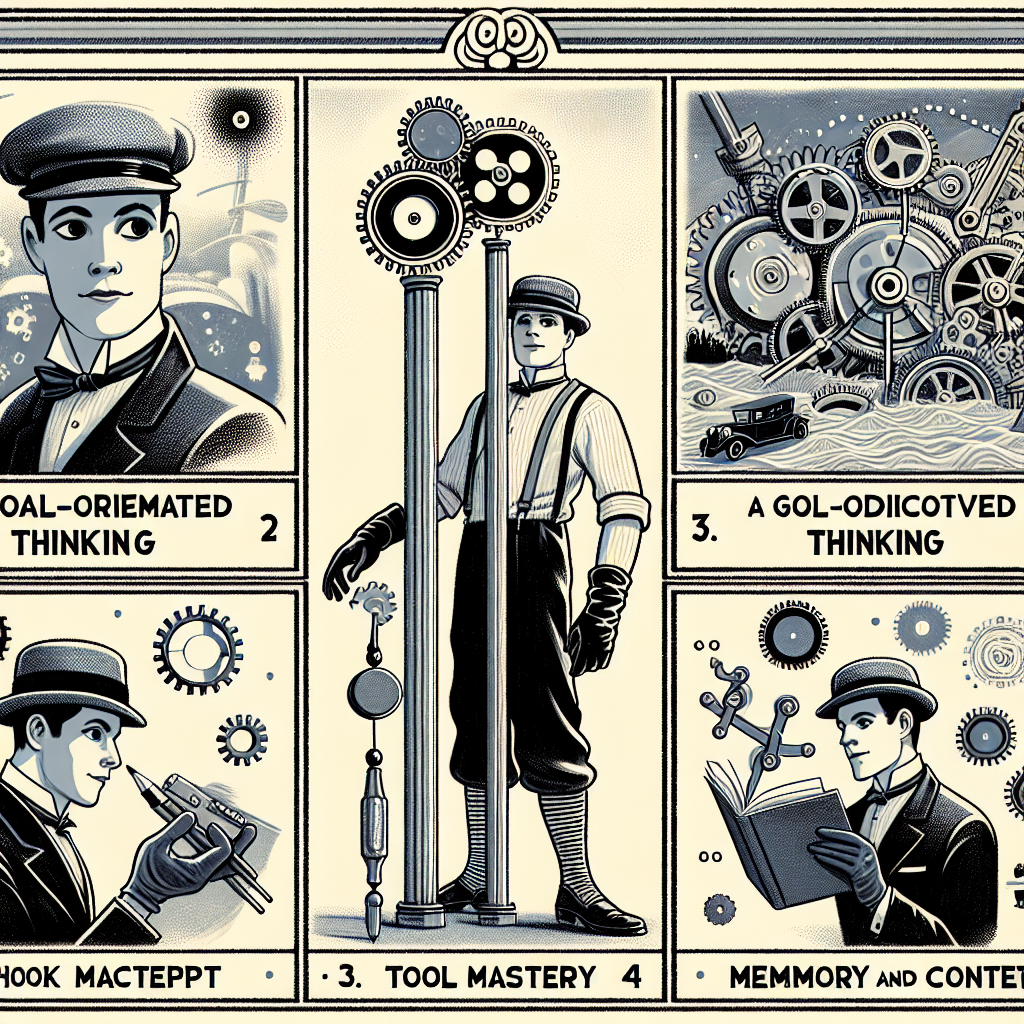
At the heart of agentic AI are four key pillars:
- Goal-Oriented Thinking: Agents are designed to break down high-level objectives into actionable subtasks. They don’t just follow instructions; they strive to achieve outcomes.
- Tool Mastery: Integrations with APIs, databases, and external services allow agents to interact directly with real-world systems, ensuring decisions are informed by functioning, up-to-date tools.
- Memory and Context: Advanced memory management lets agents learn from past interactions, progressively improving accuracy and decision-making over time.
- Autonomous Decision Making: With the ability to adapt strategies and work independently, agents tackle unforeseen challenges without requiring constant human intervention.
Real-World Impact
Several companies are already reaping the benefits. For example, e-commerce retailers have slashed manual oversight by up to 87% while significantly improving profit margins through automated inventory and pricing monitoring. Marketing teams are boosting content output by tenfold, proving that the design of an effective agent can transform both revenue streams and operational efficiency.
Exploring Agentic AI Frameworks
Across the AI landscape, a range of frameworks is available to suit different needs and experience levels. Below is a curated list of approaches that have shown promising results:
- CrewAI: Ideal for rapid prototyping and small teams, CrewAI enables developers to get multi-agent systems operational in a matter of minutes. It provides extensive documentation, though debugging might become challenging with complex workflows.
- LangGraph: Designed for more intricate implementations and enterprise systems, LangGraph offers complete control over agent behavior. Its advanced visualization and debugging tools make it a go-to for those managing complex, branching workflows.
- AutoGen: Focused on enabling natural multi-agent conversations, AutoGen is perfect for research and experimentation. It highlights the dynamics of agent interactions, helping developers learn from both successes and failures.
- Agno: With clean APIs and excellent documentation, Agno strikes a balance between rapid prototyping and deeper, production-ready integrations. It’s especially popular among developers who value clarity and simplicity.
- PydanticAI: For those who prioritize type safety and consistency, PydanticAI ensures that inputs and outputs are strictly validated, thereby reducing runtime errors.
- SmolAgents: By focusing on minimal overhead while still returning actual Python code, SmolAgents lets developers avoid common parsing pitfalls in traditional JSON-based approaches.
- Mastra: Tailored for JavaScript developers, Mastra seamlessly integrates agentic capabilities within web applications, making it a featured choice for frontend innovation.
A Step-by-Step Guide for Getting Started
If you’re ready to dive in, consider this 30-day action plan:
Week 1: Foundation Building
- Choose the framework that best aligns with your expertise and project goals.
- Set up your development environment and build a simple “Hello World” agent.
- Implement a basic automation like email sorting or price tracking.
Week 2: Skill Development
- Introduce memory and context management.
- Implement error handling, monitoring, and multi-agent interactions.
- Create a basic system that can handle edge cases.
Week 3: Advanced Features
- Add web interfaces or API endpoints for external integrations.
- Incorporate advanced tools such as vision or voice processing.
- Focus on performance optimization and cost management.
Week 4: Scale and Share
- Deploy your agent to a cloud platform.
- Add real-time monitoring and alerting features.
- Document your system and share your journey with the developer community.
Community and Resources
Harness the power of community by joining platforms where developers and AI enthusiasts share their insights and best practices. For example, explore the course offerings at Towards AI Academy to sharpen your skills as you build production-ready agentic systems.
Moreover, active Discord channels and specialized forums provide real-time support that can help you navigate common challenges and avoid costly mistakes—ranging from token management issues to pitfalls in debugging complex multi-agent scenarios.
Key Takeaways
- Focus on one goal: Build agents that excel at one specific task rather than overengineering a “do-it-all” solution.
- Iterate rapidly: Embrace a culture of fast development and continuous improvement. Early prototypes are stepping stones to a robust system.
- Join the conversation: Engage with online communities to share your progress, gain insights, and collaborate with peers on overcoming technical challenges.
The agentic AI revolution is here and evolving rapidly. By carefully selecting the framework that fits your needs, establishing a disciplined development plan, and leveraging community support, you are ready to build systems that not only automate repetitive tasks but also drive significant business growth.
It’s time to take the leap—start building your intelligent agent today and reshape your future. Let this be the blueprint that propels you into the forefront of AI innovation.

