
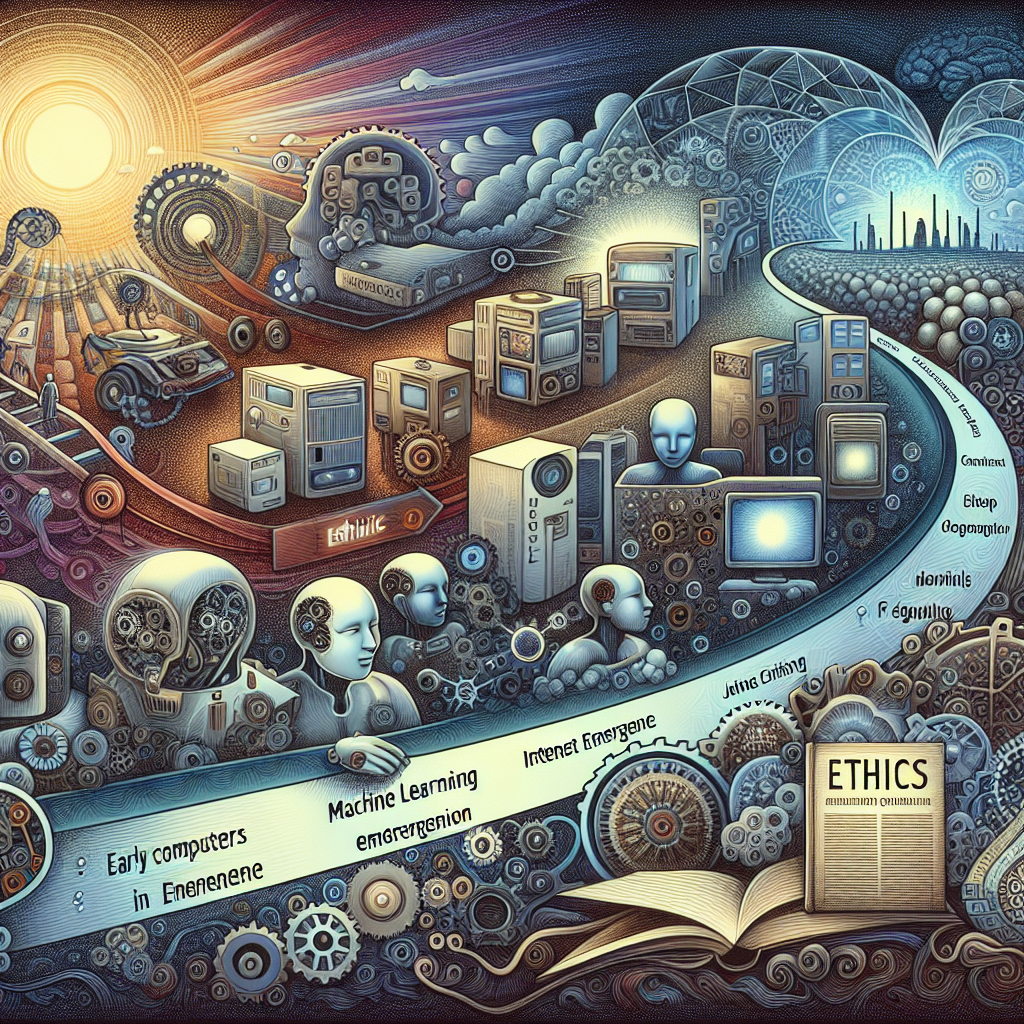

The rapid evolution of artificial intelligence models has ushered in a new era of innovation and competition among leading technology firms. As organizations strive to enhance their cognitive capabilities, the landscape becomes increasingly dynamic, presenting both opportunities and challenges.
One of the significant advancements in this field is the introduction of specialized reasoning models that push the boundaries of what AI can achieve in mathematical and coding tasks. These developments are not only improving the efficiency of workflows but also enabling more complex problem-solving abilities within organizations.
However, with these advancements come critical considerations regarding the origins and integrity of the training data used to develop these models. Ensuring that data sources are ethical and compliant with industry standards is paramount. The use of proprietary data requires stringent safeguards to prevent unauthorized access and maintain the trustworthiness of AI-driven solutions.
Additionally, the practice of distillation—where smaller models are trained using outputs from more advanced systems—raises important questions about data usage and intellectual property. Balancing the need for innovation with respect for proprietary data is essential to foster a healthy competitive environment while protecting valuable resources.
Another challenge facing the industry is the overwhelming influx of AI-generated content on the web. While this abundance of data can enhance training processes, it also complicates efforts to ensure the quality and originality of datasets. Implementing effective filtering and validation mechanisms is crucial to maintain the integrity of AI models and the reliability of their outputs.
In response to these challenges, major organizations are adopting robust security measures to protect their AI assets. Implementing advanced verification processes and restricting access to sensitive regions are among the strategies being employed to safeguard proprietary technologies. These measures not only prevent unauthorized usage but also preserve the competitive edge of organizations in the AI landscape.
The emphasis on ethical considerations and sustainable practices is becoming increasingly important as AI continues to integrate into various aspects of business operations. By prioritizing data protection and responsible AI development, organizations can navigate the complexities of innovation while maintaining ethical standards.
Ultimately, the future of AI-driven cognitive enhancement lies in finding the right balance between collaboration and competition. Fostering an environment where knowledge is shared responsibly and proprietary information is protected will be key to unlocking the full potential of artificial intelligence. As the industry moves forward, these principles will shape the trajectory of AI innovations, ensuring they contribute positively to organizational growth and societal advancement.


